
Japan is becoming a go-to destination for families. The things kids actually respond to are here in force: deer that eat from your hand in Nara, Nintendo World, bullet trains that arrive with a gust of wind, immersive digital art that makes adults feel like children too.
Japanese people are visibly, genuinely warm toward kids. Strangers smile at yours on the subway. Shop staff crouch to their level. That warmth makes public spaces feel easy rather than tense.
The real friction points are jet lag and stroller logistics at older sites. Plan for both, and the trip lands well.
Key takeaways:
Best age is 6–10. They have the stamina and the memory, and they qualify for half-price JR Passes. Under-5 is doable but keep it to one or two bases.
Four cities, prioritised. Tokyo and Osaka for all ages. Kyoto for 8+. Nara for every age, no booking, ¥200 deer crackers.
Book three things months ahead. Ghibli Museum (3-month wait, sells out in minutes). TeamLab and USJ Express Passes (weeks to months ahead). Everything else is walk-up.
DisneySea is not automatically the right call. Under-6: Tokyo Disneyland. Over-6 with Fantasy Springs open: DisneySea.
Budget $8,500–$11,500 for a family of four, 10 days including US flights. JR Passes for two adults and two kids (6+): ~$1,000 total.
Ryokans need vetting. Many have minimum ages ranging from 7 to 12. Communal onsens ban diapered children. Always confirm policy before booking.
Convenience stores are the picky eater's best friend. 7-Eleven, FamilyMart, and Lawson are everywhere, including rural areas.
Use Stardrift to build the day-by-day travel plan around your kids' ages, the pace you want, and accommodation preferences.
Is Japan a good destination for families with kids?
Yes, with two honest caveats. Japan is one of the safest countries in the world by any measure, public spaces are immaculate, and the transit system is reliable enough to build a whole trip around. Children are welcome in almost every setting.
The food question is less complicated than most parents expect. Japanese curry, ramen, karaage (fried chicken), and convenience store onigiri cover a lot of ground for picky eaters. Family restaurant chains like Gusto and Royal Host are everywhere, with picture menus and booths.
The caveats: jet lag hits hard across 13–17 time zones, and the first three days of the trip will feel it. Stroller logistics at older temple sites and castle grounds take planning. Many of Japan's most iconic places were not built with wheels in mind.
What age is Japan best for?
The sweet spot is 6–10. Kids this age have the stamina for full days, genuine curiosity about something different, and enough memory to carry the trip home with them. At 6, they also qualify for half-price JR Passes, a real saving across a family of four.
Under 5 is doable, not ideal. Simplify the itinerary. One or two bases rather than four cities. Prioritise parks, train rides, and neighbourhood exploration over temples and museums. Don't try to match an adult pace.
The JR Pass age rule matters. Adults pay ¥50,000 for a 7-day pass. Kids 6–11 pay ¥25,000. Under-6s ride free, but without a reserved seat, they sit on an adult's lap on the Shinkansen. If you want a seat for a child under 6, you pay the child fare for that leg.
One underrated detail for younger kids: Japanese supermarkets and variety shops. Don Don Donki, the discount variety chain, is five floors of snacks, gadgets, and imported goods that children find inexplicably compelling. The candy aisle of any major supermarket reliably buys goodwill at any age.
Families with older kids or teenagers open up a different side of Japan entirely, including world-class ski resorts in Niseko and Hakuba. However, the 6–10 window is where the core trip delivers the highest return.
Which cities should families prioritise?
Tokyo and Osaka carry the heaviest family programming. Kyoto rewards kids 8 and up. Nara works at every age and needs no booking. Most families cover three of the four on a 10-day trip.
Tokyo
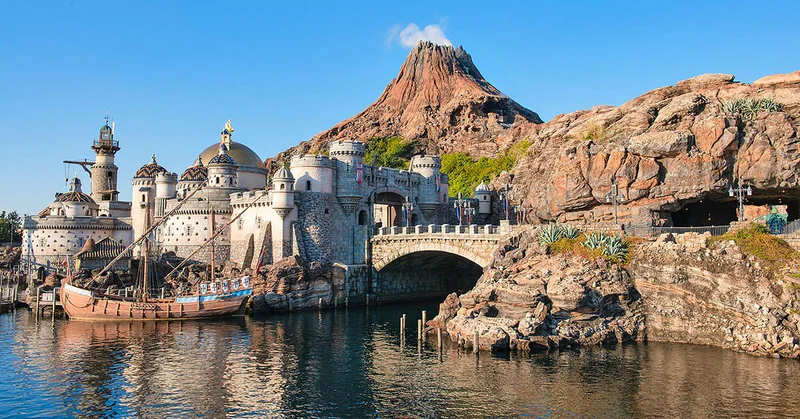
Tokyo is the natural anchor. DisneySea is the marquee draw for families with children 6 and up. Fantasy Springs, which opened in June 2024, added Frozen, Rapunzel, and Peter Pan areas that bring younger visitors into the park.
For under-6s, Tokyo Disneyland is the better call: fewer height restrictions, more familiar characters, smaller footprint.
Ghibli Museum in Mitaka is magical but books out fast. Tickets go on sale on the 10th of each month for the following month and sell out within minutes.
TeamLab Borderless at Azabudai Hills works for all ages and requires advance booking.
Nintendo World is at Universal Studios Japan in Osaka, not Tokyo — worth knowing early when you're planning the route.
Osaka

Osaka has lower cultural overhead than Kyoto, which makes it easier to pace with kids.
Universal Studios Japan is the main draw, with Super Nintendo World and Donkey Kong Country (opened 2024) in the same area.
The Dotonbori food walk, takoyaki, taiyaki, and okonomiyaki sold from stalls along the canal, doubles as dinner and entertainment.
Osaka also works as a base for a Nara day trip if your itinerary skips Kyoto.
Kyoto

Best with kids 8 and up. Kyoto rewards slower attention with temple gardens, early-morning shrine walks before crowds arrive, and the Higashiyama district in the late afternoon.
Fushimi Inari's lower torii gates are accessible with children; the upper mountain path is all stairs, no strollers.
Nara is 45 minutes away and is often the highlight of a Kyoto-based itinerary regardless of the city itself.
Nara

Half-day, no booking, no entry fee, ¥200 for a pack of deer crackers. The Nara deer park is one of the few sights that reliably appeals to every age.
Todai-ji, the giant Buddha hall, is within walking distance. Go in the morning before school groups arrive. Buy crackers only when you're ready to feed because deer will mob anyone visibly holding them.
What are the best theme parks and attractions in Japan for kids?
Ghibli Museum, Mitaka (Tokyo)
Book exactly three months ahead. Tickets go on sale at 10am JST on the 10th of each month via Lawson Ticket (l-tike.com) and sell out within minutes. If you miss the monthly release, platforms like Klook or JTB Sunrise Tours packages sometimes include museum entry at a premium.
Prices: ¥1,000 adults, ¥700 ages 13–18, ¥400 ages 7–12, ¥100 ages 4–6, free under 4.
TeamLab Borderless, Azabudai Hills (Tokyo)
The Azabudai Hills location opened in February 2025. Advance booking required; weekend tickets sell out. Allow two to three hours minimum. Appropriate for all ages, with a ticket category starting at age 4.
Prices: ¥3,800–4,800 adults (varies by day), ¥1,500 ages 4–12, free under 4.
Tokyo DisneySea
Best for families with children 6 and up. Fantasy Springs adds Frozen, Tangled, and Peter Pan areas with lower height restrictions. For families with kids under 6, Tokyo Disneyland is the better choice: more rides without height restrictions, smaller footprint, easier to navigate with strollers.
1-day tickets: ¥7,900–¥10,900+ (date-dependent); children discounted.
Universal Studios Japan, Osaka
Super Nintendo World is the draw for most families. Add Donkey Kong Country in the same area. Express Passes are worth buying for peak periods. They run ¥6,800–¥23,900 depending on tier and date, and sell out weeks ahead.
1-day adult tickets: ¥8,600–¥10,400; children discounted.
Nara Deer Park
No booking. No entry fee. ¥200 for a pack of crackers. It's the counterpoint to every other entry on this list, and it consistently outranks paid attractions in what families remember.
What does a Japan family itinerary look like?
Here's how all the attractions fit into a multi-city itinerary.
Days 1–4: Tokyo
Day 1 is for arrival only. Check in, eat something close by, sleep early.
Day 2, pick one neighbourhood: Shinjuku or Shibuya for orientation, Ueno Park if the kids need open space to decompress.
Day 3 is your one big attraction, either TeamLab Borderless (book the earliest slot, allow three hours) or a full day at DisneySea or Disneyland.
Day 4, if you booked three months ago, is Ghibli Museum in Mitaka followed by Inokashira Park next door.
Days 5–7: Osaka
Take the Hikari shinkansen from Tokyo, about 2.5 hours, covered by the JR Pass.
Day 5 afternoon goes straight to Universal Studios Japan; Super Nintendo World and Donkey Kong Country are in the same area, so plan your time there.
Day 6 is a slower Osaka day: Dotonbori for street food in the evening, the canal walk, let the kids be loud.
Day 7 is a buffer. Use it for anything you missed or just wander Osaka's covered shopping arcades.
Days 8–9: Kyoto and Nara
Day 8 starts with Nara. 45 minutes from Osaka by train, arrive early, buy crackers only when you're ready to feed, allow two hours for the deer park and Todai-ji, then head to Kyoto by early afternoon.
Spend the rest of the day in Higashiyama when the crowds have thinned.
Day 9: Fushimi Inari before 8am (lower gates only with a stroller), then Arashiyama for the bamboo grove and lunch.
Day 10: Departure
Fly from KIX if you're ending in Osaka or Kyoto, or backtrack to Tokyo for NRT or HND. Allow at least three hours before departure.
This itinerary is just a starting point. Personalise it according to your preferences with Stardrift. Start Planning, it's free!
How much does a family trip to Japan cost?
A family of four over 10 days, including return flights from the US, lands between $8,500 and $11,500 total. Here's how that breaks down.
Flights
Economy return from the US: roughly $900–$1,400 per adult depending on departure city and booking lead time. For four people, budget $4,000–$5,500 for flights.
JR Passes
Two 7-day adult passes: ¥100,000 (~$670). Two child passes (ages 6–11): ¥50,000 (~$330). Total: roughly $1,000 for the family. Prices rise to ¥53,000/adult from October 2026; buy before then if your trip falls after that date.
Accommodation
Japanese hotels price per person, not per room. A mid-range business hotel in Tokyo runs $150–$200/night for a family room. Ryokans with dinner and breakfast start around ¥30,000 per person per night — ¥120,000 (~$800) for four. Budget for two or three ryokan nights and the rest in city hotels. Kyoto added Japan's highest accommodation tax in March 2026; factor up to ¥10,000 per person per night for higher-end properties there.
Attractions (sample, four people)
Ghibli Museum: ~¥2,800 (two adults + two primary-school-age children)
TeamLab Borderless: ~¥10,600 (two adults at ¥3,800 + two children at ¥1,500)
DisneySea or USJ: ¥35,000–¥45,000 including Express Passes
Nara: ¥800 in crackers
Departure tax
From July 2026, Japan's departure tax rises to ¥3,000 per person. For a family of four, that's ¥12,000 (~$80) collected automatically through your airfare.
Daily spend
Food and local transport: $80–$130/day for four, depending on how many meals are at sit-down restaurants versus convenience stores.
Have a budget in mind? Stardrift can help you plan an itinerary accordingly. It helps you consolidate flight and hotel search, and provides the best bookable options.
Frequently asked questions
What's the best time of year to visit Japan with kids?
Spring (late March to early May) and autumn (October to November) are the most comfortable.
Cherry blossom season — late March in Tokyo, early April in Kyoto — is genuinely beautiful but the busiest and most expensive window.
Autumn foliage peaks in mid-to-late November and is slightly less crowded.
Summer (July to August) lines up with school holidays, which is convenient, but heat and humidity in Tokyo and Osaka can be punishing for young children.
Winter is mild by Western standards, quieter, and cheaper.
Avoid Golden Week (late April to early May) for domestic crowds, even if the weather is ideal.
What challenges could you face while planning a Japan trip with kids?
Some common ones are:
Jet lag hits hard. 13–17 hours depending on your coast. The first three nights are the worst. Bring blackout blinds; Japan's summer sunrise starts at 4:30 a.m.
Stroller logistics at older sites are a real constraint. Fushimi Inari's upper path is all stairs. Check elevator availability at smaller train stations before you go.
Rush hour on Tokyo and Osaka subways is a hard no with kids and a stroller. Avoid 7:30–9:30am and 5:00–7:30pm. Plan activities that start after 10 am.
Ryokan age restrictions vary widely. Many set minimums of 7, 10, or 12. Diapered children can't use communal onsens. Always check the policy before booking.
Picky eaters are fine in cities. Outside Tokyo and Osaka, convenience stores are the fallback. Onigiri, karaage, and mild curry are available everywhere.
What should I book before leaving for Japan?
Book these before you go: Ghibli Museum tickets (exactly 3 months ahead via Lawson Ticket), TeamLab Borderless (advance booking required, weekends sell out), USJ Express Passes (sell out weeks ahead for peak dates), DisneySea (book online to avoid sold-out days), and any ryokan stays (best properties fill 3–6 months out, more for cherry blossom season).
Everything else, such as Nara, most temples and shrines, convenience stores, and family restaurants, need no advance booking. Resist the urge to over-schedule; loose afternoons matter more with children than they do on a solo trip.
Can you bring a stroller on the Shinkansen?
Yes. Strollers are permitted on all JR trains, including the Shinkansen. Use the dedicated spaces in the first and last cars. At station gates, take the wide accessible gate rather than the standard turnstile.
On the Tokyo Metro, you do not need to fold the stroller. At smaller regional stations, check elevator availability before you go. Some older stations have stairs only. Use Stardrift to plan your stroller-friendly city travel.
Is the Ghibli Museum worth it for kids who haven't seen the films?
For kids 5 and up, usually yes. The building — spiral staircases, hidden rooms, the rooftop robot soldier — is designed to be explored regardless of film knowledge. The museum screens an original short film in its mini-theatre that works without any prior context.
For children under 4, it's a beautiful space with limited hands-on engagement. Watching My Neighbor Totoro or Kiki's Delivery Service before you go makes a real difference.
What if my child gets sick in Japan?
Japan has excellent pharmacies. Matsumoto Kiyoshi and Welcia branches are in almost every shopping area. Major cities have international clinics with English-speaking doctors; Tokyo has several, including the International Clinic in Roppongi. For minor illnesses, Japanese pharmacists are accustomed to helping visitors. Travel insurance with medical coverage is worth carrying on a trip this far from home.
Do Japanese restaurants have high chairs?
Family restaurant chains (Gusto, Royal Host, Saizeriya, Denny's Japan) reliably have high chairs and booths. Izakayas and traditional restaurants often don't, with low seating and no chairs at all in tatami rooms.
When in doubt, look for the famiresu chain nearest to your hotel. Convenience stores are the practical fallback when no sit-down option works.
What should I pack for Japan with kids?
A few things are easier to bring than to find locally. High-SPF Western-formula sunscreen is hard to source in Japan. Most domestic sunscreens max out at SPF 50 PA+++ with different formulations than families may be used to.
Diapers, formula, and wipes are widely available at convenience stores and pharmacies, so you don't need to overpack those. Bring a compact umbrella (vending machines sell them everywhere, but you'll need one before you find one), a lightweight carrier as a stroller backup for crowded sites, and a portable charger. Navigation and translation apps drain batteries fast. Slip-on shoes for children speed up temple entries significantly.
Is Tokyo Disneyland or DisneySea better for kids under 6?
Tokyo Disneyland, without question. More rides without height restrictions, more familiar characters, smaller footprint, easier to navigate with a stroller. DisneySea is the better park for mixed-age families with kids 6 and up, particularly since Fantasy Springs opened in June 2024. For a family with children spanning both age groups, Disneyland on day one and DisneySea on day two is the practical split.
Are ryokans suitable for kids?
Some are, many aren't. Minimum age policies vary widely. Some properties accept guests 7+, others require 10 or 12. Communal onsens ban children in diapers at virtually all ryokans.
Book a property with a private in-room bath if you have non-potty-trained children, and confirm the policy directly before booking.
The tatami-and-futon setup is actually practical for families: futons on the floor mean no falling out of beds, and a large tatami room gives children room to move.
Is Japan good for babies under 12 months?
It's doable with the right setup, but demanding. The long-haul flight is the biggest factor. 12–14 hours from the US West Coast with an infant is hard regardless of destination.
On the ground, Japan is accommodating: department stores have well-equipped nursing rooms (look for the baby icon), diapers and formula are easy to find, and flat tatami floors are genuinely useful for babies who aren't yet walking.
The main challenges are jet lag (more disruptive for infants than toddlers), stroller limitations at older sites, and the need to keep the pace very slow. A single-base trip centred on Tokyo, with day trips rather than multi-city moves, is the most realistic approach.