

UK Hiking Road Trip
By Sofie · May 8, 2026 · 12 days · 69 places
SunSep 20
11:00 AM
Robin Hood's Bay
LocalityShort arrival-day clifftop and village loop

3:30 PM
Whitby Abbey
Historical landmark · ★ 4.6 (14,834)Historic highlight after the hike

- Drive: Hull ferry terminal to the Robin Hood's Bay area is about 2.5 hours, so this is still a manageable arrival day after the overnight crossing.
- Main hike: use the upper Robin Hood's Bay parking area as your start and do a short cliff-and-village loop around Robin Hood's Bay, keeping it to roughly 4 to 6 km, about 1.5 to 2.5 hours, and around 100 to 180 m ascent.
- Timing: start the walk around late morning, then keep the afternoon for Whitby Abbey as your main historic stop before you leave the coast behind.
- Exact style of route: keep this as a simple coast-path-and-lanes circuit from the camper rather than a longer push toward Whitby or Ravenscar.
- Trail map / GPX: https://www.yorkshire.com/fylingthorpe/walks/walk-robin-hoods-bay
- Weather guidance: this is a very good arrival day and also a decent breezy-weather day; if conditions are wild on the cliffs, shorten the exposed section and spend more time in the village.
- Overnight target: somewhere on the inland side of the North York Moors / toward the Malham approach, so the route starts moving inland immediately.
- Camper stop idea: after Whitby Abbey, use your Brit Stops pass for a practical inland pub or farm stop if one lines up well; otherwise pick a simple transit-friendly campsite so Day 2 starts farther west.
4:30 PM
Alternatives nearby


Popular swap-ins if arrival timing changes
5:00 PM
Bad-weather alternatives


Indoor Whitby options with baby
MonSep 21
10:30 AM
Hole of Horcum
Natural feature · ★ 4.7 (46)Open moorland loop with easy parking start

2:30 PM
Hutton-le-Hole
LocalityVillage stop to break the drive

- Drive: leave the coast and head into the North York Moors; expect about 1 to 1.5 hours to the walk start, then another 1 to 1.5 hours afterward if you continue toward the Dales side.
- Main hike: do a loop at Hole of Horcum, aiming for about 7 to 9 km, around 2.5 to 3.5 hours, and roughly 180 to 260 m ascent.
- Exact style of route: use one of the classic moor-and-valley loops from the roadside parking above the Hole, so you get the dramatic basin views without turning the day into a long exposed crossing.
- Trail map / GPX: https://www.thinkadventure.co.uk/hole-of-horcum-circular-walk/index.html
- Weather guidance: this is a good clear-weather moorland day; if mist or strong wind rolls in, keep the route shorter and use lower-level village stops more heavily.
- Highlight stop: break up the reposition with time in Hutton-le-Hole, then keep flexibility to push onward depending on energy.
- Overnight target: eastern Dales / Malham approach.
- Camper stop idea: a farm stop or Brit Stops pub between the western moors and eastern Dales would work well tonight; otherwise choose a simple transit-friendly campsite so Day 4 starts in the landscape.
4:30 PM
Alternatives nearby


Popular moors stops if weather changes
5:00 PM
Bad-weather alternatives


Indoor North York Moors fallbacks
TueSep 22
9:30 AM
Malham Cove
Tourist attraction · ★ 4.9 (6,443)Classic Dales loop anchor

12:00 PM
Janet's Foss waterfall
Tourist attraction · ★ 4.8 (3,036)Waterfall stop built into the same loop

- Drive: if you overnighted near the eastern Dales approach, today should be short and easy, usually well under 1 hour to the walk start.
- Main hike: do the classic Malham loop linking Malham Cove, Gordale Scar, and Janet's Foss, aiming for roughly 7 to 9 km, about 3 to 4 hours, and around 250 to 350 m ascent.
- Exact style of route: start from Malham village, climb to the top of the cove, continue across the limestone scenery, then return via the scar and waterfall so it stays a satisfying true loop from the camper.
- Trail map / GPX: https://www.daleswalks.co.uk/walks/gordale-scar-and-malham-cove/
- Weather guidance: this is one of your better showcase days for dry or mixed weather; in persistent rain the limestone and steps can get slippery, so take it slower.
- Terrain note: there are rocky / stepped sections near the cove and scar, but it suits a baby-carrier day much better than a stroller day.
- Overnight target: Malham / Settle / Grassington zone.
- Camper stop idea: tonight is a good one for a proper Dales campsite, but a Brit Stops farm or pub stop in the wider Settle / Grassington area would also fit well if you want a quieter end to the day.
4:30 PM
Alternatives nearby


Popular Dales swaps or add-ons
5:00 PM
Bad-weather alternatives


Indoor Yorkshire Dales options
WedSep 23
10:00 AM
Aysgarth Falls Yorkshire Dales National Park Visitor Centre
Visitor center · ★ 4.7 (7,040)Gentler waterfall-focused walking day

2:30 PM
Bolton Castle
Castle · ★ 4.6 (2,567)Best historic stop for the day

- Drive: Malham / southern Dales to Wensleydale is usually around 1 to 1.5 hours, so this fits your ideal driving rhythm well.
- Main hike: build the day around Aysgarth Falls with a valley-and-woods loop of about 5 to 8 km, roughly 2 to 3 hours, and around 120 to 220 m ascent depending on which riverside sections you include.
- Exact style of route: use the falls as the anchor, then loop out on quieter riverside and pasture paths rather than making this just a short tourist stop.
- Trail map / GPX: https://outdoorsgps.com/route/show/1447658_circular-from-aysgarth-falls-via-castle-bolton-1-1
- Weather guidance: this is one of the trip's better damp-weather days because woods, river scenery, and the castle stop still work if visibility is poor.
- Feel of the day: this should be a softer, greener reset after Malham — less dramatic than yesterday, but very pleasant and a good family pace.
- Highlight stop: pair it with Bolton Castle for your main ruin / history stop, either before or after the walk depending on naps and weather.
- Overnight target: Wensleydale / Hawes.
- Camper stop idea: a farm stay, pub stop, or Brit Stops location around Hawes / Wensleydale would suit this day well; otherwise use a standard campsite to make tomorrow's longer move easier.
4:30 PM
Alternatives nearby


Popular Wensleydale options if you pivot
5:00 PM
Bad-weather alternatives
Indoor Wensleydale options
ThuSep 24
9:30 AM
Ingleton Waterfalls Trail
Tourist attraction · ★ 4.7 (9,564)Wooded waterfall loop before the Lake District transfer

- Drive: from the Wensleydale side to Ingleton is about 1 to 1.5 hours, then another 1.5 to 2 hours on to the Keswick area, so this is one of the trip's deliberate longer transfer days.
- Main hike: do the Ingleton Waterfalls Trail, roughly 7 to 8 km, usually 2.5 to 4 hours, and around 250 to 350 m ascent with all the ups and downs.
- Exact style of route: keep this as the full signed loop rather than cherry-picking a short section — it gives you a complete walk day before the Lake District transfer.
- Trail map / GPX: https://www.ingletonwaterfallstrail.co.uk/wp-content/uploads/Ingleton-Waterfalls-Trail-Leaflet-2023.pdf
- Weather guidance: this is actually a good grey-weather day because waterfalls and woodland still shine, but it can feel slippery and busy, so start early.
- Why it works here: it gives you a distinct woodland-and-waterfall day before the bigger open Lake District scenery starts, so the trip keeps changing character.
- Overnight target: Keswick if possible, eastern Lakes fringe if the day runs long.
- Camper stop idea: because arrival may be later, I'd favor a pre-booked campsite near Keswick tonight; if that feels too ambitious, fall back to a simple transit stop or Brit Stops option on the eastern Lake District fringe.
3:30 PM
Alternatives nearby
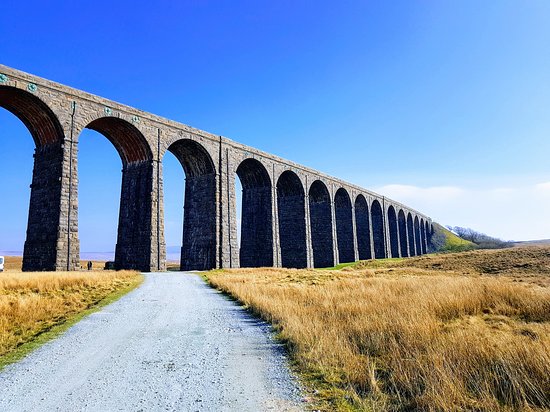


Popular stops on the Lakes transfer day
4:00 PM
Bad-weather alternatives
Indoor transfer-day fallbacks
FriSep 25
10:00 AM
National Trust - Aira Force and Gowbarrow Park
Tourist attraction · ★ 4.7 (1,634)New Lake District entry walk with waterfall and woodland

2:30 PM
Pooley Bridge
LocalityEasy Ullswater village stop after the walk

- Drive: after the Ingleton transfer day, use this as your true Lake District arrival day around Ullswater before pushing on toward Keswick; driving should usually stay around 1 to 1.5 hours total depending on where you slept.
- Main hike: do the circular around Aira Force Waterfall, aiming for about 6 to 8 km, roughly 2.5 to 4 hours, and around 250 to 400 m ascent depending on whether you include the higher Gowbarrow section.
- Exact style of route: make this a waterfall-and-woodland loop from the Aira Force side rather than a big fell day, so it feels distinct from Catbells and works well as your first proper Lake District stop.
- Trail map / GPX: https://adventurebrits.co.uk/aira-force-and-gowbarrow-park-circular/
- Weather guidance: this is a strong mixed-weather option because the woodland and waterfall still feel worthwhile if visibility is patchy, though the higher section can be muddy and breezy.
- Highlight stop: if energy is good, have a relaxed wander in Pooley Bridge afterward before continuing west.
- Overnight target: Keswick area, so Day 7 can stay light and keep Catbells as the showcase walk.
- Camper stop idea: this is a good night for a proper campsite around Keswick rather than a Brit Stops detour, since tomorrow is one of your higher-value good-weather days.
SatSep 26
9:00 AM
Catbells
Mountain peak · ★ 4.9 (818)Headline ridge-and-lake-view day

3:30 PM
Keswick
LocalityBest easy town stop after the hike

- Drive: keep this one very light by staying around Keswick; aim for under 30 minutes total driving today.
- Main hike: do a loop on Catbells, targeting roughly 5 to 7 km, about 2.5 to 4 hours, and around 300 to 450 m ascent depending on the exact loop.
- Exact style of route: start from the Derwentwater side and make it a proper loop rather than simply going up-and-back. That keeps the day true to your camper setup and gives you a more satisfying circuit.
- Trail map / GPX: https://www.thinkadventure.co.uk/cat-bells/index.html
- Weather guidance: this is definitely one of your good-weather priority days — save it for decent visibility and lighter wind, because the exposed ridge is the whole point.
- Terrain note: expect steeper and rockier sections, so this is a better baby-carrier day than a relaxed family stroll.
- After the walk: keep the afternoon simple in Keswick, then sleep in the same area again.
- Overnight target: second Keswick-area night if possible.
- Camper stop idea: this is worth two nights in one campsite; only use a Brit Stops stopover here if it is genuinely convenient, because reducing pack-up time matters more than novelty.
4:30 PM
Alternatives nearby


Popular Keswick-area backups or add-ons
5:00 PM
Bad-weather alternatives


Indoor Keswick options with baby
SunSep 27
10:00 AM
Buttermere
LocalityRelaxed lakeshore loop and scenery day

- Drive: from a Keswick base, Buttermere is usually around 30 to 45 minutes each way, so still comfortably within your preferred range.
- Main hike: do the lake loop around Buttermere, roughly 7 to 8 km, around 2 to 3 hours, and only about 100 to 180 m ascent at an easy family pace.
- Exact style of route: keep this as the full lakeshore circuit from the camper rather than tagging on a steeper fell; the point is to have a calmer, beautiful walking day after Catbells.
- Trail map / GPX: https://www.lakedistrict.gov.uk/visiting/things-to-do/walking/routes-and-maps/routes-and-maps2/map-1
- Weather guidance: this is one of your best flexible days — it still works in mixed weather, and if conditions are perfect you can optionally add a little extra elevation nearby.
- Feel of the day: this should be your softer Lake District reset day — less steep, more about reflections, shoreline scenery, and a calmer rhythm.
- Overnight target: Keswick again or start edging south after dinner.
- Camper stop idea: if you want maximum ease, keep the same Keswick-area site; if you want to shorten Day 9, move to a quieter farm site or Brit Stops stop farther south.
3:30 PM
Alternatives nearby


Popular scenic swaps around Buttermere
4:00 PM
Bad-weather alternatives
Indoor Lake District fallbacks
MonSep 28
10:00 AM
Tarn Hows
Lake · ★ 4.8 (165)Photogenic easier loop on the southward move

2:00 PM
Hawkshead
LocalityCompact village stop that fits naturally

- Drive: this is the day to shift south through the Lakes, but it should still stay fairly civil — usually around 1 to 1.5 hours total depending on exactly where you sleep.
- Main hike: keep it scenic and easy around Tarn Hows, about 3 to 5 km, roughly 1.5 to 2.5 hours, and around 80 to 150 m ascent depending on whether you add nearby paths.
- Exact style of route: use the tarn as the walk anchor, then keep the rest of the day flexible rather than turning this into a second big hiking day.
- Trail map / GPX: https://www.nationaltrust.org.uk/visit/lake-district/tarn-hows-and-coniston/tarn-hows-circular-walk
- Weather guidance: this is another very good mixed-weather day because the route is short, photogenic, and easy to trim if the day gets messy.
- Why it's here: after two stronger days, this acts as a visual reset while still giving you a genuine walk and not just a transfer.
- Highlight stop: spend some time in Hawkshead, which is one of the best classic villages on this side of the Lakes.
- Overnight target: Coniston / Hawkshead / Great Langdale.
- Camper stop idea: a quieter farm site or Brit Stops-style pub/farm stop works especially well tonight, since this day is more about atmosphere than logistics.
4:00 PM
Alternatives nearby


Popular south-Lakes swaps or add-ons
4:30 PM
Bad-weather alternatives


Indoor south-Lakes options
TueSep 29
9:30 AM
Loughrigg Fell
Mountain peak · ★ 4.9 (223)Moderate fell day with strong payoff

2:30 PM
Grasmere
LocalityGood post-hike wander option

3:30 PM
Ambleside
LocalityAlternate town stop if that works better logistically
- Drive: if you overnight in the south / central Lakes, today's local driving can stay light, around 30 to 60 minutes before you later begin the eastward drift.
- Main hike: do a loop on Loughrigg Fell, aiming for about 6 to 8 km, around 3 to 4 hours, and roughly 250 to 380 m ascent.
- Exact style of route: make this a proper fell loop rather than a simple viewpoint stop, so you get one final elevated walk with variety before leaving the Lakes.
- Trail map / GPX: https://www.paulbeal.com/loughrigg-fell-walk/
- Weather guidance: this is best in fair to good weather; it is more forgiving than Catbells, but you still want enough visibility to enjoy the payoff.
- Why it fits well: it is a very good middle ground between an easy lakeside walk and a serious mountain day, with excellent views for the effort.
- After the hike: choose between a wander in Grasmere or Ambleside, whichever fits naps, parking, and campsite direction best.
- Overnight target: eastern Lakes fringe or just beyond the park boundary.
- Camper stop idea: this is a practical night for a transit-friendly campsite, though a Brit Stops pub or farm on the east side of the Lakes could also work if it keeps tomorrow easy.
4:30 PM
Alternatives nearby


Popular Ambleside-area backups or extras
5:00 PM
Bad-weather alternatives
Indoor Ambleside-Grasmere fallbacks
WedSep 30
10:30 AM
Rievaulx Abbey
Historical landmark · ★ 4.8 (3,151)Final big historic highlight

2:30 PM
Helmsley
LocalityBest last attractive town stop

- Drive: from the eastern Lakes fringe back toward Helmsley / Rievaulx is one of the trip's longer moves, usually around 2.5 to 3.5 hours, so treat this as a purposeful reposition day with good scenery at the end.
- Main walk: keep the hike shorter and lower-stress here — use the valley and terrace paths around Rievaulx Abbey for a loop of roughly 4 to 7 km, about 1.5 to 3 hours, and around 100 to 200 m ascent.
- Exact style of route: make this a gentle abbey-and-valley circuit from the same parking area rather than a big separate hike elsewhere, so the day stays easy after the Lake District.
- Trail map / GPX: https://www.outdooractive.com/en/route/hiking-trail/north-east-england/miles-without-stiles-for-some-rievaulx-loop/802104295/
- Weather guidance: this is a useful mixed-weather day because the historic site and Helmsley still give the day shape even if the walk itself stays short.
- Why this works: it gives you one last proper walk plus one of the trip's best historic highlights without forcing a hard final push.
- Highlight stop: spend time at Rievaulx Abbey itself, then finish the day in Helmsley for an easy wander, food stop, and supplies.
- Overnight target: east of Helmsley or around Beverley.
- Camper stop idea: a simple one-night campsite or Brit Stops pub/farm stop is ideal here — the priority is just making the ferry morning almost effortless.
4:30 PM
Alternatives nearby


Popular final-day swaps around Helmsley
5:00 PM
Bad-weather alternatives

Indoor final-region options
ThuOct 1
10:00 AM
Beverley Westwood
Park · ★ 4.7 (2,700)Easy final leg-stretcher before the port

12:30 PM
Beverley Minster
Tourist attraction · ★ 4.8 (2,426)Optional final cultural stop if timing is relaxed

- Drive: keep this day intentionally short; from Beverley or the wider east-Yorkshire area to Hull should usually be under 1 hour.
- Main walk: do an easy loop or leg-stretcher around Beverley Westwood, aiming for roughly 3 to 5 km, around 1 to 1.5 hours, and very little ascent.
- Exact style of route: keep it as a simple grassland-and-town-edge circuit, not a destination hike, because today's main goal is a calm ferry run.
- Trail map / GPX: https://www.yorkshire.com/beverley/walks/walk-beverley-westwood
- Weather guidance: this is your most flexible day of the whole trip — if the weather is poor or you're short on time, shorten the walk without guilt.
- Why it fits: you still get your daily walk, but without any stress about timing, packing, or baby routine.
- Optional stop: if boarding time is comfortable, add a brief visit to Beverley Minster or a short wander in Beverley before heading to Hull.
- Overnight / logistics target: treat this as ferry day rather than a true overnight day.
- Camper stop idea: if you did not stay near Beverley already, position close enough the night before that this morning stays calm and unhurried.
1:30 PM
Alternatives nearby


Easy final options before Hull
2:00 PM
Bad-weather alternatives

Indoor Beverley-Hull ferry-day options
Make it yours
Fork this guide into a trip, then tell Stardrift your dates and who's coming.