Japan is the most solo-friendly country most people will ever visit. Transport runs on time, the food culture is built around single diners, and the crime rate is low enough that your main concern most days is which ramen shop to pick.
This guide covers what actually makes Japan different for solo travellers, where to go, how to structure your trip, and what to budget.
Is Japan Safe to Visit Alone?
Japan is one of the safest countries in the world for solo travellers. In 2026, it ranked first globally for safety from violent crime, with a crime index of 22.8, which falls in the "Low" category.
Violent crime against tourists is rare. Street assaults and muggings are uncommon enough that most long-term residents never encounter one. The areas that warrant extra caution are Roppongi and the edges of Kabukicho in Shinjuku, where a small number of venues use hidden pricing or aggressive touting. Stick to places you've looked up, don't follow touts, and check prices before ordering.
For solo female travellers: Japan consistently ranks among the safest destinations for women, but train groping (chikan) and upskirting are documented problems on crowded commuter lines. The practical response is using women-only train cars, which are available on all major Tokyo Metro, JR East, and Osaka Metro lines during peak hours, typically 7:30 to 9:30 AM and evening rush periods. They're marked with pink signs on the platform and carriage door. The cars are clearly labelled and easy to identify once you know to look.
Passport: Japanese law requires tourists to carry their passport. A high-quality colour copy plus a digital photo of the original is the workable compromise most travellers use.
Emergency numbers: 110 for police, 119 for ambulance and fire.
What Makes Japan Different for Solo Travellers
Most countries tolerate solo travel. Japan has built infrastructure around it.
Dining alone is built in
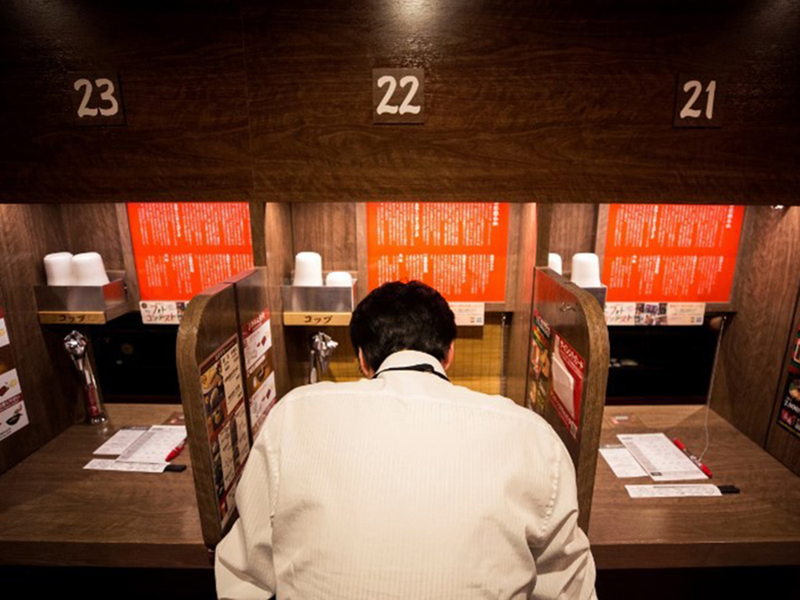
Ramen counters are designed for solo diners, with individual seats facing the wall and, in many places, wooden privacy screens between customers. Conveyor belt sushi (kaitenzushi) is grab-and-go by design. Teishoku (set meal) restaurants serve single-portion fixed menus with no minimum order. You won't feel conspicuous eating alone because most people around you are doing the same thing.
Tokyo has also developed a category of restaurants specifically for solo diners that would traditionally require a group. Yakiniku LIKE is the clearest example: a Japanese BBQ chain built around individual grills at each seat, with a tablet ordering system and single-person set menus starting around ¥2,000.
Hitokara
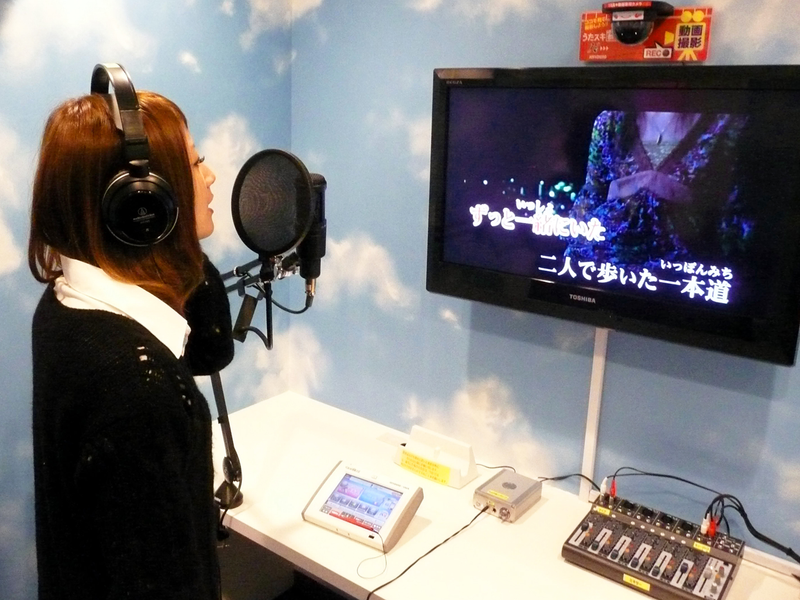
Solo karaoke is a mainstream activity in Japan, not a niche one. The major chains, Karaoke-kan, Joysound, and Big Echo, all offer solo booth pricing and single-room bookings. You pay by the hour for a private room. It's a genuinely good option for a solo evening and far less awkward than it sounds before you've tried it.
The bar culture in Golden Gai and Nonbei Yokocho
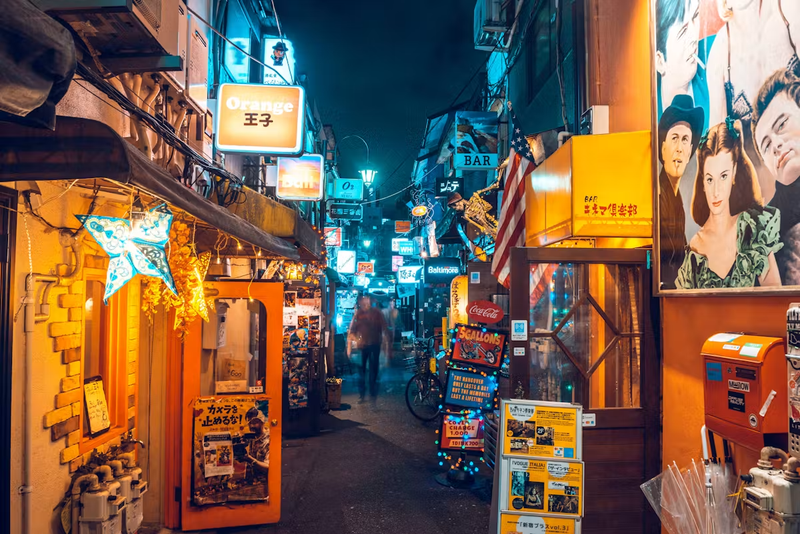
Shinjuku's Golden Gai is a cluster of six narrow alleys containing around 200 tiny bars, most seating fewer than ten people. Shibuya's Nonbei Yokocho is a similar but quieter row of small bars behind the main Shibuya strip. Both are built around the dynamic of strangers sitting close together and talking. Walking in solo is how these places work. You sit down, the owner or bartender starts a conversation, someone next to you joins in. There's no social engineering required. These are the best solo social spots in Tokyo.
Small business owners at kissaten (old-school coffee shops) and neighbourhood bars can be particularly warm to solo travellers, especially if you arrive when the place is quiet. Google Translate handles the language gap well enough to sustain a real conversation.
Convenience stores as a solo travel tool
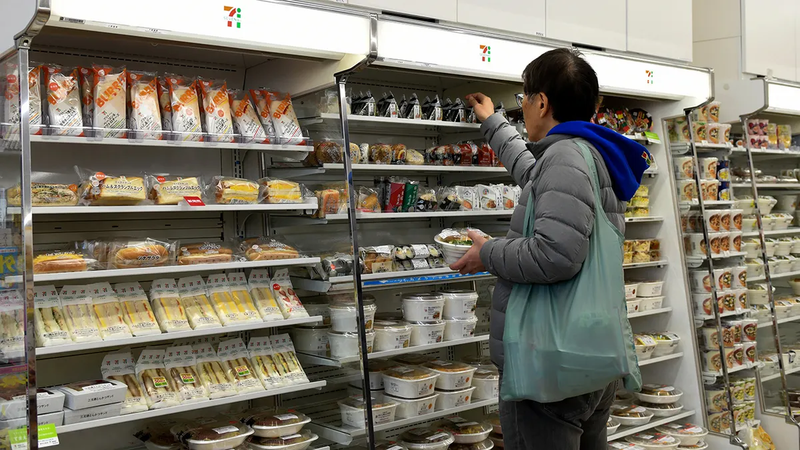
Japanese convenience stores, primarily 7-Eleven, FamilyMart, and Lawson, are open 24 hours, sell hot food and fresh meals, accept international cards, have ATMs that reliably take foreign cards, and are everywhere. When you are jet-lagged at midnight and don't know the neighbourhood, a convenience store is a safe and genuinely useful anchor. The food quality is better than the format suggests.
Where to Go on a Solo Trip to Japan
Tokyo
Tokyo is the best solo city in Japan and one of the best in the world. It is large but navigable, the solo dining density is the highest of any Japanese city, and the combination of Golden Gai, capsule hotel neighbourhoods (Shinjuku, Asakusa, Akihabara), and excellent day trip options from a central base makes it easy to fill a week without running out of things to do. Base here for several days and radiate out.
Kyoto
Temples and shrines are naturally solo-paced. You walk at your own speed, stop when you want, and leave when you're ready. Fushimi Inari at dawn is the clearest example: thousands of torii gates on a forested mountain path, best experienced early before groups arrive. Kyoto is smaller and more walkable than Tokyo. Solo ryokan stays are available, though expect to pay more per person than you would sharing a room.
Osaka
Osaka is louder and more food-forward than Tokyo or Kyoto. Dotonbori, the city's main entertainment strip, is good solo wandering territory. Osaka's street food scene (takoyaki, kushikatsu, okonomiyaki) is built around standing at counters or small stalls. You don't need a group to navigate it.
Off the Golden Route
Hiroshima is manageable alone and the Hiroshima Peace Memorial Museum is the kind of place best experienced at your own pace rather than with a group. Kanazawa is quieter, less visited by international tourists, and has a genuine old-town feel that Kyoto has partly lost to crowds. Hakone is the most accessible onsen experience from Tokyo and solo stays are common and uncomplicated.
Solo Japan Itinerary: How to Structure Your Trip
7 days: Base in Tokyo for 4 nights. Take one or two day trips (Nikko or Kamakura are the most rewarding). Spend one night in Hakone or take a fast day trip to Kyoto.
10 days: Golden Route at a comfortable pace. Tokyo (3 nights), Kyoto (2 nights), Osaka (2 nights), with day trips from each base. This is the standard first-time Japan itinerary and works well solo because you can move at whatever pace suits you.
14 days: Golden Route plus one additional leg. Hiroshima adds a day or two, Kanazawa adds two or three, or use the extra time to slow down rather than add cities.
21 days: Golden Route with a deeper regional leg. Tokyo (4 nights), Kyoto (3 nights), Osaka (2 nights), then pick one extended detour: Tohoku in the north, the Nakasendo trail between Nagano and Kyoto, or a slow loop through Shikoku.
If you're visiting Japan in late January to early February, you'll find our Japan Ski Trip guide helpful.
One solo pacing note: build more flexibility into the itinerary than you would for a group trip. Without anyone to negotiate plans with, slower days are easy to fill, and changing direction costs nothing.
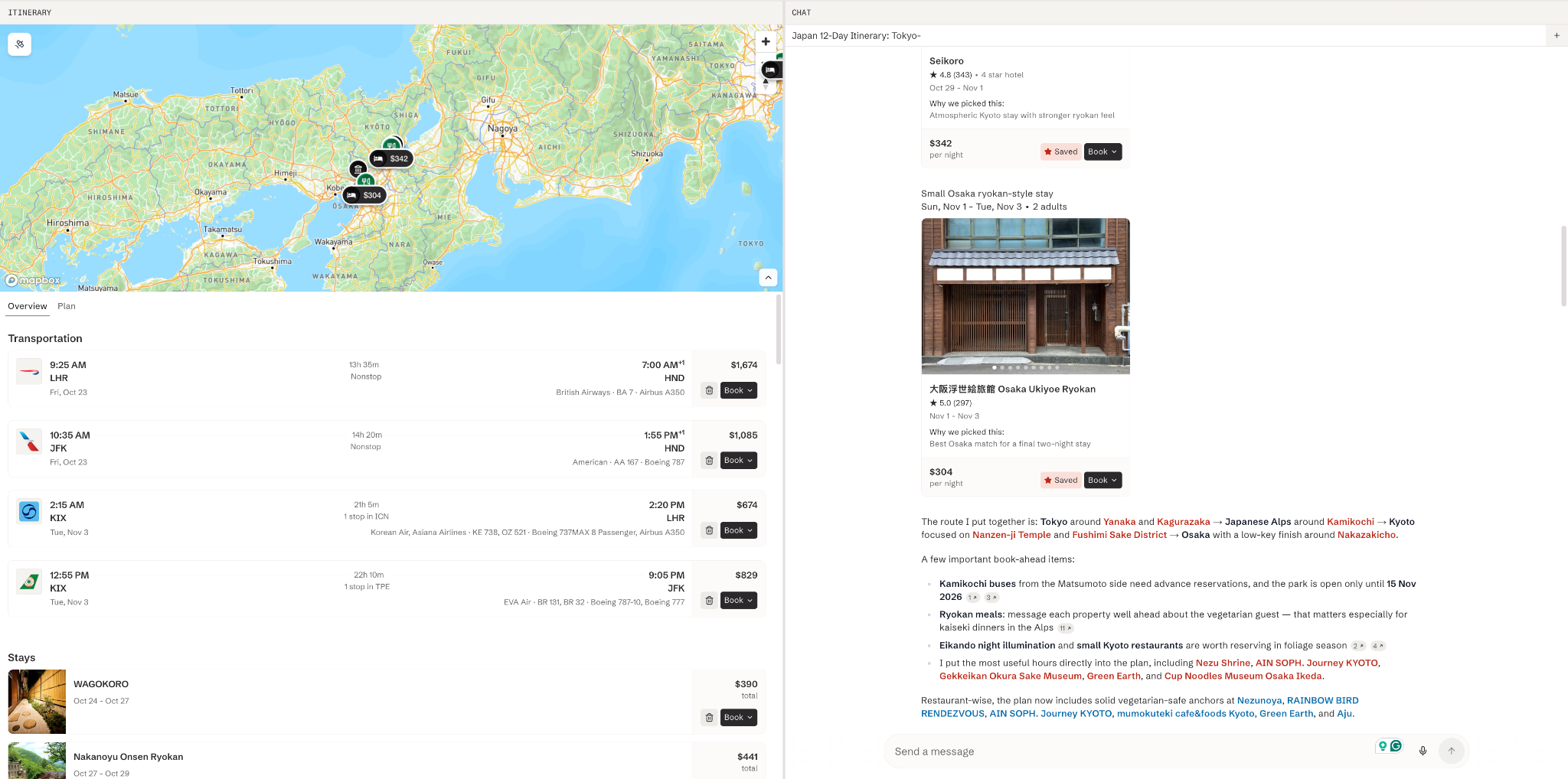
Build a Japan solo trip itinerary around your preferences with Stardrift.
Tell Stardrift your pace, travel style, budget, dietary requirements, and preferred airlines or hotel brands, and it will create a day-by-day itinerary with bookable flights and accommodation options.
You can also import your existing bookings by syncing your Google Calendar, Outlook, or Gmail. Stardrift detects flight and hotel confirmation emails automatically and builds your itinerary around what's already locked in.
It remembers your preferences across trips, so you never have to re-enter your home airport, travel partner, or dietary needs. Once your plan is generated, a drag-and-drop editor lets you reorder days, swap activities, and adjust timing, with a live map updating as you go.
Japan hotel pricing is often per person rather than per room. Solo travellers generally pay more than half the double-room rate. Budget for this gap when comparing solo costs to group travel costs.
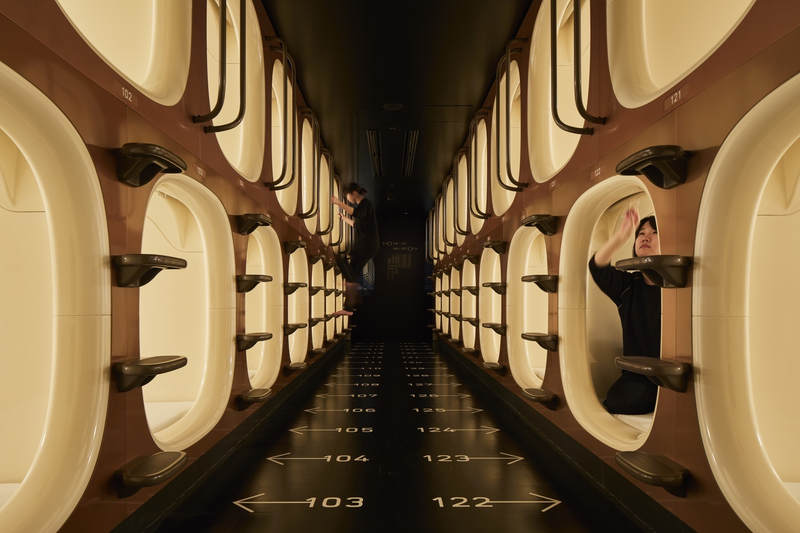
Capsule hotels
The modern version is comfortable and private. Current prices in Tokyo range from ¥3,500 to ¥5,500 per night, with shared bathrooms and locker storage included. Many capsule hotels have women-only floors or women-only properties. The shared common areas are where solo travellers tend to meet other travellers. Not suitable if you are claustrophobic.
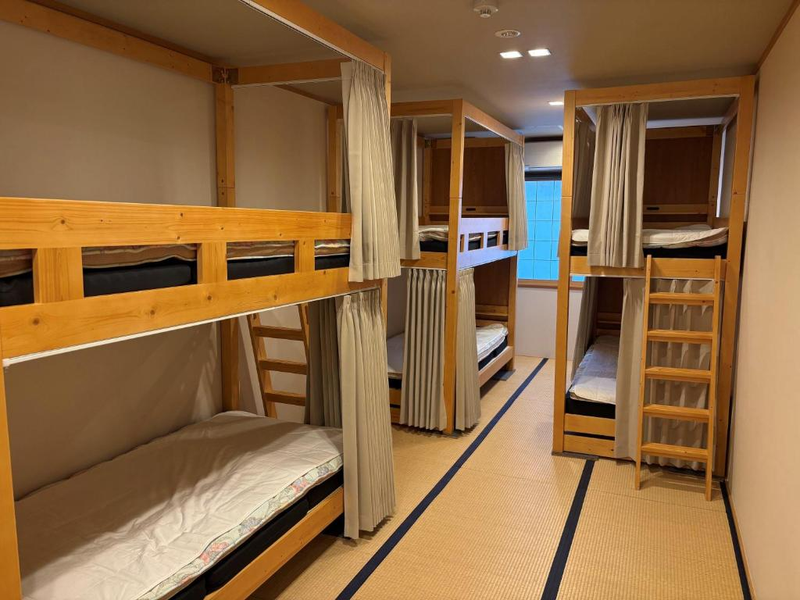
Hostels
Slightly more expensive than capsule hotels but with more social infrastructure. Common rooms, communal kitchens, and sometimes organised activities make hostels the better option if meeting people is a priority. Book via Hostelworld or HostelBookers. Both have solid inventory for Japan.
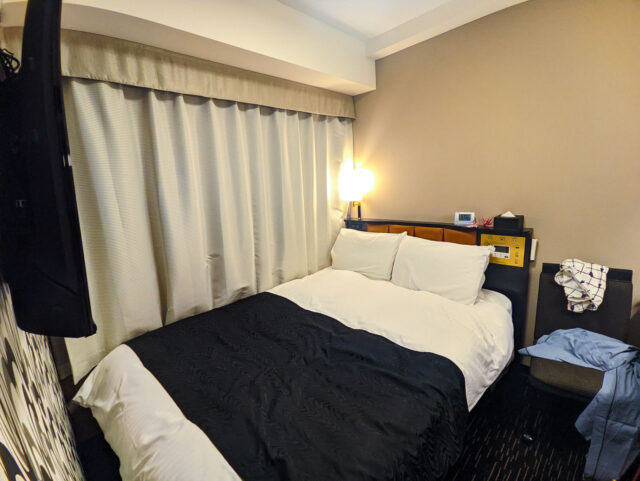
Business and city hotels
Reliable, quiet, and clean. Single rooms are available at most chains. Good option if you want privacy after a long day rather than social interaction. More expensive per person than capsule hotels but you get a private room.
Ryokan (book at least one night)
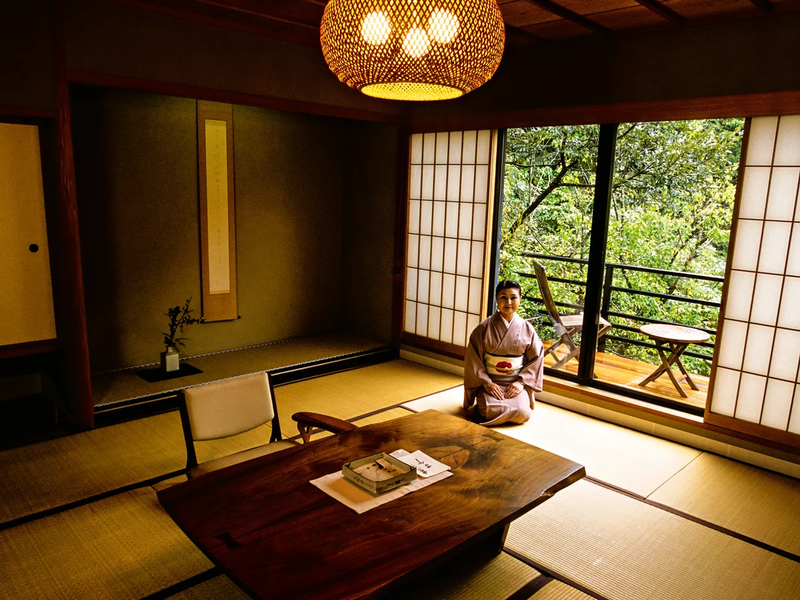
A ryokan stay, with a tatami room, a kaiseki dinner, and an onsen, is worth doing once even on a solo trip. Hakone is the easiest and most accessible entry point, close to Tokyo and with good options across price ranges.
Outside major cities, Japan has a significant number of small B&Bs and family-run inns (minshuku) where the owners are often genuinely welcoming to solo travellers. This is one of the more underrated accommodation options. You are more likely to have a real conversation with someone, get a local recommendation, and feel less like a transaction. The smaller the town, the more this tends to be true.
What Should Your Budget Be for a Solo Japan Trip?
Budget: ¥8,000 to ¥12,000 per day. This covers a capsule hotel, convenience store meals, and IC card transit.
Mid-range: ¥15,000 to ¥25,000 per day. Business hotel, a mix of restaurants, and standard transport costs.
Solo travel in Japan costs more per person than travelling with someone else. There's no room to split, no shared taxis, and many experiences have minimum charges. Factor in roughly 30 to 40 percent more than you'd pay per person in a pair.
The yen has remained historically weak against the dollar and euro since 2022. Japan is materially more affordable for international visitors than its reputation from ten years ago suggests. Check the current exchange rate before you budget, because it makes a significant difference.
Solo travel makes transport decisions simpler. You don't need to agree on a route with anyone.
The IC card (Suica or Pasmo) is the first thing to set up. It works on trains, buses, and convenience store payments across Japan. Tap in, tap out. No fumbling with tickets or change. It's available at major airport stations and from IC card vending machines.
Google Maps handles routing well for almost every journey in Japan. Download offline maps for each city before you arrive, because data can be unreliable in tunnels and rural areas.
The JR Pass decision is worth running your own numbers on before buying. As a solo traveller, the calculation is straightforward: add up the routes you plan to take, compare to the Pass price, and decide. You don't need to reach a consensus with anyone else. If your itinerary includes multiple shinkansen legs (Tokyo to Kyoto, Kyoto to Hiroshima, for example) the Pass often pays off on a 14-day trip. On a 7-day Tokyo-centred trip, it usually doesn't.
For IC card setup, JR Pass detail, and shinkansen booking, see our first-timer guide. For apps to download before you land, see our Japan travel apps guide.
Can You Meet People on a Solo Trip to Japan?
Solo in Japan doesn't mean isolated. Locals frequently help travellers who look uncertain, and the tourist infrastructure in major cities means there are always other travellers nearby.
The most reliable spots for organic social contact are the Golden Gai and Nonbei Yokocho bars described above. Walk in, sit down, and the conversation usually starts itself.
Hostel and capsule hotel common areas are the most dependable option if you want to meet other travellers. Both Hostelworld and HostelBookers have extensive Japan listings with reviews that reflect how social each property actually is.
For organised activities, Tokyo Gaijins runs outdoor events and day trips year-round and was actively scheduling events including Fuji hikes in summer 2026. Meetup.com also has active groups in Tokyo. Day tours through Klook, Viator, or Airbnb Experiences (tea ceremony, cooking class, day hike) give you a shared experience for a few hours without committing to a travel partner
Frequently Asked Questions
What are the best tips for traveling Japan solo?
Get a Suica card at the airport for trains, buses, and convenience stores. Carry cash; many smaller restaurants and shrines don't take cards. Book Shinkansen seats in advance during cherry blossom season and Golden Week. Stay one night in a ryokan for the full onsen and kaiseki experience. Use 7-Eleven or Japan Post ATMs for foreign cards.
Is Japan safe for solo female travellers?
Generally yes. Japan ranks among the safest countries for women travelling alone. Train groping is a documented issue on crowded commuter lines; use women-only cars during peak hours, which are clearly marked on platforms across Tokyo Metro, JR East, and Osaka Metro.
Do I need a JR Pass for a solo Japan trip?
It depends on your route. A solo traveller can calculate this easily because there's no group itinerary to negotiate. If you're doing multiple shinkansen legs across two weeks, the Pass is likely worth it. For a 7-day Tokyo-based trip with day trips, it usually isn't. Run the numbers on Hyperdia or Google Maps before buying.
What is the cheapest accommodation option in Japan for solo travellers?
Capsule hotels are the most affordable option, running ¥3,500 to ¥5,500 per night in Tokyo for a private pod. Budget backpacker hostels are slightly more expensive but offer more social infrastructure. Outside major cities, small family-run inns (minshuku) can be affordable and are often more welcoming to solo travellers than large hotels.
Can you eat alone at a yakiniku restaurant in Japan?
Yes. Yakiniku LIKE is a chain specifically built for solo diners, with individual grills at each seat and single-person set menus around ¥2,000. It exists across Tokyo and several other cities. Solo yakiniku (Japanese BBQ) is something worth seeking out because it is genuinely good, and it is unusual enough to be memorable.
What Japanese should I learn before going?
You can manage with minimal Japanese, but a few phrases help. "Sumimasen" (excuse me), "arigatou gozaimasu" (thank you), and "Eigo ga hanasemasu ka?" (do you speak English?) go a long way. Google Translate's camera function handles menus reliably.
Harshika is a freelance content writer who develops Stardrift's travel resources. Before Stardrift she built content and SEO programs for SaaS companies including Hyprnote, Storylane, and Cognism.
Stardrift
Build a day-by-day itinerary with maps, flights, and a link to share with anyone. Free.