StardriftStardrift
AboutBlog
  1. Home
  2. Itineraries
  3. Tokyo

The Perfect 3–4 Day Tokyo Itinerary

Temples and ramen in Asakusa. Ukiyo-e before Shibuya Crossing. The Imperial Palace at golden hour. Four days that do Tokyo justice.

By Harshika Alagh

Day 1: Asakusa, Ryogoku, and East Tokyo

The historical core: temples, kitchen supply streets, and the city's best shoyu ramen

Morning

Buddhist Temple

Start at Sensoji, Tokyo's oldest Buddhist temple. Arrive before 9am if you can. The crowds build fast and the light is better early. Walk through Kaminarimon gate, then up Nakamise-dori to the main hall.
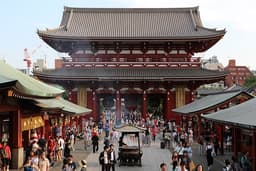
Sensoji

Shopping Street

From Sensoji, walk ten minutes west to Kappabashi Kitchen Supply Town, a full street of professional cookware, hand-forged knives, lacquerware, and the plastic food displays you've seen in restaurant windows. Even if you're not buying, it's one of the more unusual streets in the city.
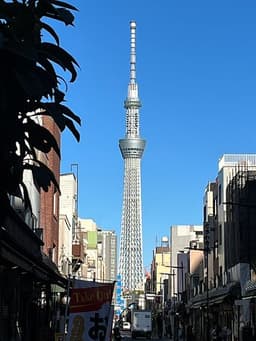
Kappabashi Kitchen Supply Town

Afternoon

Museum · Ueno

Take the metro to Ueno for Tokyo National Museum, the oldest and largest museum in Japan. The Japanese Gallery (Honkan building) is where to spend your time: 11 rooms of sculpture, lacquerware, samurai armor, and paintings spanning 10,000 years. Budget two hours minimum.
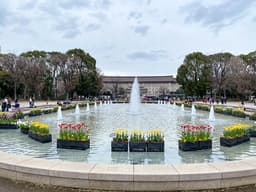
Tokyo National Museum

Evening

Ramen

Head south to Ryogoku for dinner. This is sumo territory; the Kokugikan stadium is a few minutes' walk from the station, and the ramen here is a Tokyo classic. Yoroiya does a clean, traditional shoyu.

(Asakusa, just back the way you came) is worth the slight detour if you want something more refined. Their shoyu with extra char siu is the order.

If you have time in Ryogoku, the , which was closed for a full renovation until early 2026, has now reopened. It covers the city's history from the Edo period through the 20th century. Worth an hour if the museum pace suits you.
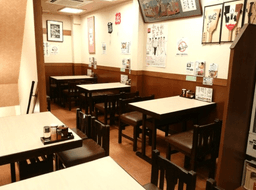
Yoroiya

Other places you might like

Day 2: Harajuku, Shibuya, and Shinjuku

Ukiyo-e first, then the loudest street in the city. The contrast is the point.

Morning

Ukiyo-e · Harajuku

Start at the Ota Memorial Museum of Art, five minutes on foot from Harajuku Station. The museum holds over 14,000 ukiyo-e prints and rotates its exhibitions monthly. Check the current show before you go. Admission is around ¥1,000. Give it 45 minutes to an hour. Coming here before Takeshita Street is the move: the quiet hits differently when you're about to walk into one of the most overstimulating streets in Tokyo.
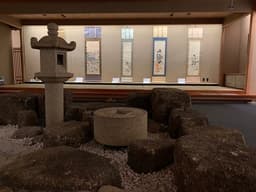
Ota Memorial Museum of Art

Lunch

Pedestrian lane

Takeshita Street is a 400-meter pedestrian lane of teenage fashion, themed cafes, and snacks. The crepes are the thing to eat here. Long queues form at the better stands for a reason.

Also worth trying: croquettes, soft serve, and whatever the seasonal limited-edition item is that week.
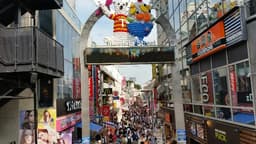
Takeshita Street

Afternoon

Shopping walk

Walk south from Harajuku through Cat Street and into Aoyama for one of Tokyo's best boutique routes: Laforet Harajuku, BEAMS, United Arrows, Tomorrowland, Studious, Comme des Garcons Aoyama, Issey Miyake Aoyama. The vintage and resale shops on Cat Street are worth time if that's your thing.
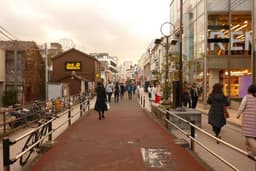
Cat Street → Aoyama boutiques

Evening

Landmark · Shibuya

Finish in Shibuya. Scramble Crossing, dinner nearby (the depachika basement at Shibuya Scramble Square is a full meal in itself: ramen, gyoza, wagyu sandwiches, pastries), and drinks in Ebisu or Shinjuku.

For a proper cocktail evening: , , and make a solid Shibuya-area circuit. Keep each stop unhurried and skip one if there's a queue.
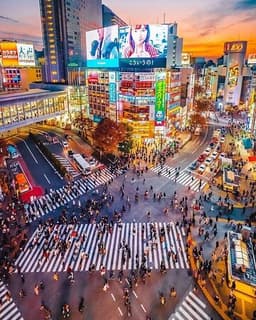
Shibuya Scramble Crossing

Other places you might like

Day 3: Ginza, the Imperial Palace, and Central Tokyo

Old Edo geography in sequence: market, merchant quarter, and castle gardens.

Morning

Food market

Get to Tsukiji Outer Market by 8am. The wholesale market moved to Toyosu in 2018 but the outer market, the rows of small vendors and stalls surrounding it, stayed, and it's still the best food morning in Tokyo.

The order: tamagoyaki (sweet rolled egg) from one of the older stalls, grilled scallops or crab leg, onigiri, then mochi or daifuku, then coffee or matcha. It takes about an hour to eat your way through properly.
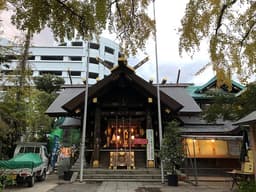
Tsukiji Outer Market

Late Morning

Shopping district

Walk ten minutes north into Ginza. This is Tokyo's most expensive shopping district and worth seeing for the architecture alone: GINZA SIX (the flagship complex, with a Tsutaya Books several floors up), Dover Street Market Ginza, Matsuya. The street quiets to pedestrian-only on weekend afternoons.
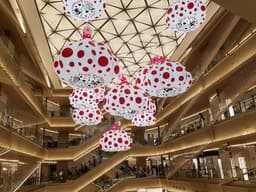
Ginza architecture walk

Midday

Lunch · under the tracks

Duck under the elevated tracks at Yurakucho, the strip of small yakitori, gyoza, and korokke stands here is one of those Tokyo things that shouldn't work as well as it does. Lunch or a late snack.
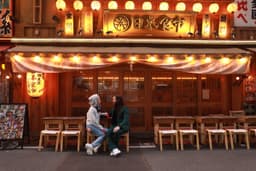
Yurakucho yakitori alley

Afternoon

Historic district

Walk to Nihonbashi, the old commercial heart of Edo, where all distances from Tokyo were historically measured. The Nihonbashi Bridge is still there (now under an elevated highway; a long-running debate about tearing down the highway is ongoing). Mitsukoshi here is Japan's oldest department store, worth a walk-through.
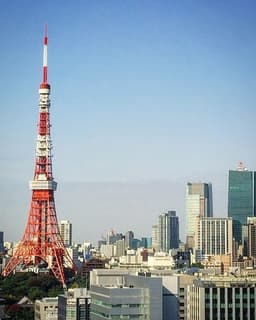
Nihonbashi

Gardens

Then to the Imperial Palace East Gardens. The outer gardens are open for walking freely. The East Gardens (Higashi Gyoen) require no reservation, but check the schedule: they close on Mondays, Fridays, and national holidays.
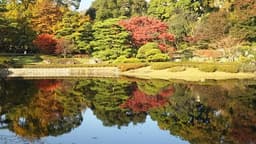
Imperial Palace East National Gardens

Evening

Other places you might like

Day 4 (Optional): A Slower Morning in Yanaka

One of the few Tokyo neighborhoods that survived WWII bombing intact

Morning

Shinto Shrine

Start at Nezu Shrine, one of Tokyo's oldest, tucked into the Yanaka neighborhood and largely unknown to tourists. In late April the azalea garden is extraordinary. Year-round it's a quiet 30 minutes.
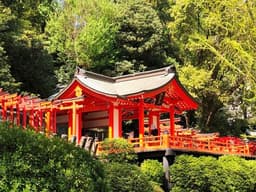
Nezu Shrine

Shopping street

Walk into Yanaka Ginza, a short shopping street with the texture of Tokyo from 40 years ago. The butcher next to the barber, the confectionery next to the watch dealer. More than 70 Buddhist temples are scattered through the few surrounding blocks, many unmarked, most open. The streets themselves are the draw here.
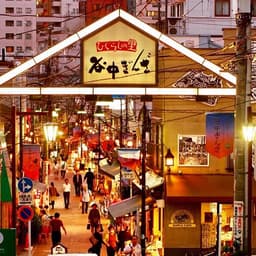
Yanaka Ginza

Late morning

Walk-through

Yanaka Cemetery is at the east edge and worth the walk through, particularly in early April when the cherry trees along the main path are in bloom.
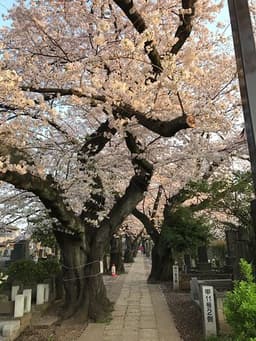
Yanaka Cemetery

Midday

Park

Close the morning with a walk south into Ueno Park. The National Museum is here if you skipped it on Day 1. Otherwise, just the park, it connects back to the east-side metro lines.
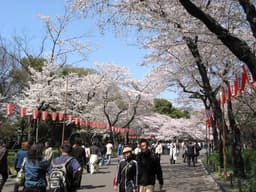
Ueno Park

Other places you might like

A few food swaps worth knowing about

These didn't have a clean geographic slot in the days above but belong on the list.

The splurge dinner. Any evening in the Days 1 to 3 itinerary can swap to a sushi or tempura omakase. Tokyo has the highest concentration of Michelin-starred restaurants in the world. Book at least two weeks ahead for anything worth eating at; some of the better counters require months. If you're doing one splurge dinner, sushi omakase is the move.

The monja evening. Casual, social, very Tokyo: monja is the runnier, older cousin of okonomiyaki that Tokyo claims as its own. is the neighborhood for it, a short metro ride from Ginza. Good for groups.

The cocktail night. If you want a serious bar evening rather than an izakaya crawl: , , and make a clean Shinjuku-area circuit. Keep the stays short and the order of stops loose. Skip one if the timing feels off.

Want an itinerary built around your preferences?

Tell Stardrift where you're flying from, who you're travelling with, and your budget for a personalized itinerary.

Free to use

Frequently asked questions

How many days are enough for Tokyo?

The highlights fit in three focused days. Add two more days, and you get Yanaka, a day trip to Kamakura, and the version of Tokyo where you sit down without feeling guilty about it.

Do you need a JR Pass for Tokyo?

No. The national JR Pass is designed for traveling between Japanese cities on the Shinkansen. For a Tokyo-only trip, a Suica card (prepaid IC card) covers every subway line, JR local train, and bus in the metro area, and doubles as a payment card at convenience stores and vending machines. Load it at any station machine when you arrive. The one exception worth knowing: if you plan a day trip to Nikko, the JR Tokyo Wide Pass (a regional pass) covers the round trip and costs less than the national JR Pass. For Kamakura or Hakone, a Suica covers the fare directly.

Should I skip Tokyo if I only have a few days in Japan?

It depends on what you're here for. Tokyo and Kyoto are genuinely different trips, not better or worse versions of the same thing. Tokyo is the right call if you want modern Japan: the food scene, the neighborhoods, the energy, the shopping. Kyoto is the right call if you want traditional Japan: the temples, geisha districts, ryokans, and a slower pace. For 3 to 4 days, pick the one that matches what you actually want and go deep. Splitting that time across both cities means a full day of logistics and less time in each. For 5 to 7 days, the Shinkansen between Tokyo and Kyoto is 2.5 hours, which makes a two-city trip genuinely manageable. Start in Tokyo (you'll likely fly in there), take the train to Kyoto for the back half. If traditional Japan is your priority and you're choosing just one city, Kyoto wins that argument.

Where should I stay: Shinjuku, Shibuya, or Asakusa?

Shinjuku is the most practical default. The station connects every major line, hotels span every budget, and you can reach anywhere in the city within a few stops. If you're covering the full itinerary above, Shinjuku minimizes transit friction. Shibuya suits you if you're prioritizing the West Side culture neighborhoods. Harajuku, Omotesando, and Shibuya itself are walkable from here. Similar metro access to Shinjuku. Asakusa is quieter, more atmospheric, and cheaper. You're closer to Day 1 but 30 minutes from Shibuya and Shinjuku. Worth it if the traditional neighborhood feel matters more than convenience.

Should I fly into Haneda or Narita?

Haneda if you have the option. It's 15 to 30 minutes from central Tokyo by train and costs around ¥500 to ¥1,000 to get in. Narita is in Chiba Prefecture, roughly 60km from the city, count on 60 to 90 minutes and a significantly higher train fare (the Narita Express runs around ¥3,000 each way). Most US carriers have expanded Haneda service since 2019. Check your route. If your only option is Narita, the Narita Express is direct to Shinjuku and several other major stations, straightforward, just longer.

Is a day trip from Tokyo worth it?

Depends on what you're after. Kamakura is the easiest call. One hour from Tokyo Station, a completely different atmosphere, and the Great Buddha alone is worth the trip. Good for Day 5 or a short extension. Nikko takes about 2 hours each way and rewards the effort with mountain shrines and serious architecture. Better for a 6 to 7 day trip where you have a full day to give it. Mt. Fuji (base towns like Kawaguchiko) is around 2 hours by bus or train. Best if seeing Fuji is a specific goal rather than something you'd fit in if convenient. If you use Stardrift to plan, it can route a day trip into your existing itinerary without you having to restructure the surrounding days manually.

Is a Tokyo-only trip enough, or should you add Kyoto and Osaka?

Tokyo alone works well for short trips, bleisure travel, and people returning to Japan. If this is your first trip to Japan and you have 10 or more days, going multi-city is worth it.

Tokyo-only makes sense if:

  • Short trip: You have 5 days or fewer and don't want to spend two of them on trains
  • Bleisure: You're anchored to the city for work and have a few days on either side
  • Return visitor: You've done the multi-city circuit and want to go deeper in one place

Go multi-city if this is your first Japan trip and you have at least 10 days.

One logistics note before you decide: a national JR Pass is not worth it for a Tokyo-only trip. A Suica card covers the entire metro system and costs a fraction of the price. The JR Pass math only works when you're taking the Shinkansen between cities.

When is the best time to visit Tokyo?

Late March to early April if cherry blossoms are the goal. Tokyo's blossom spots: Meguro River, Chidorigafuchi, and Ueno Park are specifically urban. Pink trees against apartment blocks and office buildings, which is a different thing from blossoms in the countryside. It's crowded, and prices spike. May is the calmer version: blossom season is over, it's warm, and you're still doing a lot of outdoor neighborhood walking, which this itinerary is built around. That matters more for Tokyo than for most other Japanese cities because the days here are structured as street-level walks between neighborhoods, not bus tours or temple circuits. Avoid June through August if you can, the rainy season runs through July, and Tokyo's concrete density traps heat in summer worse than most other Japanese cities. October and November are the autumn alternative; Rikugien and Shinjuku Gyoen have good foliage, and the crowds are manageable.

Is Tokyo good for families?

For dedicated family attractions, TeamLab Planets and Tokyo DisneySea are worth adding. If you're on a honeymoon, the Day 3 pace: Tsukiji market, Ginza, and the Imperial Palace Gardens suits a slower, more atmospheric day better than the packed Day 2 schedule. However, Kyoto and Nara add things Tokyo doesn't have, especially for families (Nara's deer park) and couples (Kyoto's ryokans, onsen towns nearby). See our Japan with kids and Japan honeymoon guides to make an informed decision.

Stardrift logo
Popular guides
San Francisco 3-Day ItineraryLondon with KidsKyoto 3-Day ItineraryParis 5-Day ItineraryJapan 7-Day ItineraryTokyo 5-Day Itinerary
Travel with us
GuidesItinerariesResourcesFlight SearchHotel SearchTrip PlannerSaved PlacesStarlink SearchFor Travel Advisors
Saved lists
Browse saved listsKyoto Guide4 Osaka ItinerariesFirst Time in Tokyo25 Best Things to Do in Oahu
Learn more
AboutBlog
Say hi
Book a demoLinkedInXCareers
StardriftPlan a trip

© Kopfkino, Inc. 2025

Privacy PolicyTerms of Service